What is a catalogue raisonné?
A catalogue raisonné is a comprehensive, scholarly listing of every known work by a single artist — typically compiled by expert committees over years, documenting each piece's dimensions, provenance, and exhibition history. It is the closest thing the art world has to a definitive record of an artist's complete output, and collectors check it before buying.
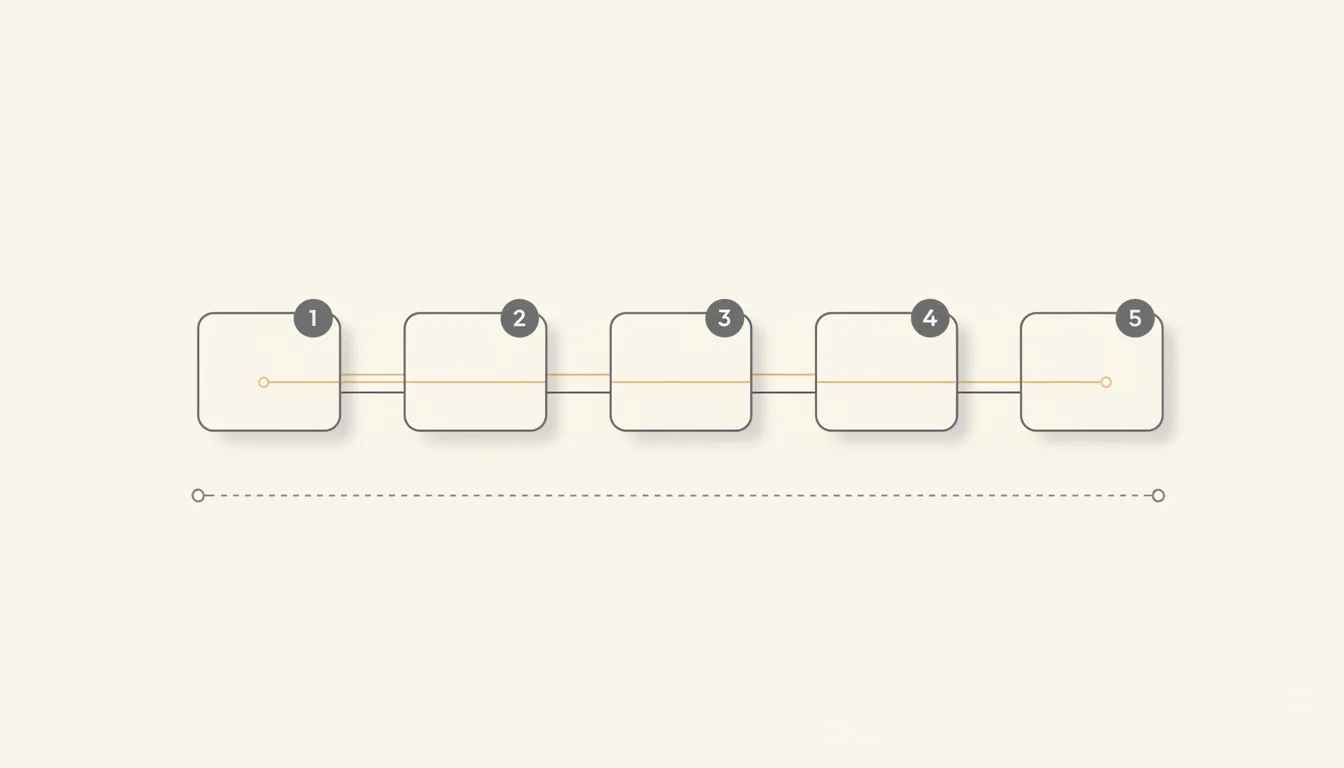
What a catalogue raisonné actually is
A catalogue raisonné is a comprehensive, scholarly listing of an artist's known works, compiled either for a single medium or across the artist's entire output. According to the Saint Louis Art Museum's provenance research glossary, it is "a comprehensive catalog of all known works by a particular artist, often including provenance information." In practice, the entries go well beyond a bare list: the New York Public Library's art research collection notes that a catalogue raisonné typically records each work's title and title variations, dimensions, date, medium, current location or owner, provenance, exhibition history, condition, and a reproduction of the piece — plus, in many cases, a separate accounting of works that are attributed, lost, destroyed, or identified as fakes.
It is not a sales catalogue, a gallery inventory, or a museum wall label. It is closer to a scholarly bibliography built around objects instead of texts — the reference researchers, museums, and the market turn to when they need to know what actually belongs to an artist's body of work.
Who compiles one, and how long it takes
Catalogues raisonnés are not usually written by the artist. The Wildenstein Plattner Institute, an organization dedicated to producing them, describes the process as built around "scholarly committees who have developed in-depth knowledge about the specific artist" — researchers who review archives, correspondence, and exhibition records, and who physically examine works whenever possible.
The timeline reflects that scope: the Institute calls the entire project "a multi-year enterprise" requiring sustained time, collaboration, and funding. That is why a catalogue raisonné tends to appear only once an artist's body of work is substantial enough to justify the undertaking — often late in a career, sometimes only after the artist has died and an estate or foundation takes on the project.
Why collectors and dealers check for one
A catalogue raisonné functions as a reference point for what is, and is not, part of an artist's confirmed body of work — which is why the market pays attention to it. The Wildenstein Plattner Institute notes that by the late twentieth century, "auction houses made public statements about a work's planned inclusion in a forthcoming catalogue raisonné to bolster the confidence of potential buyers," treating the prospect of inclusion almost as an informal endorsement.
The same source is careful to draw a line, though: "a work's inclusion in a catalogue raisonné is not a guarantee of its authenticity." It is a documentation project, not a certifying body. For a buyer, that distinction matters — a catalogue raisonné is one input to due diligence on an artist's work, not a substitute for it.
Catalogue raisonné vs. certificate of authenticity
The two terms get used loosely, but they describe different documents at a different scale. Per the same museum glossary, a certificate of authenticity is "a document issued by an artist, artist's estate, or authentication committee, confirming the authenticity of a work of art" — a single-page record, tied to one specific piece, issued whenever that piece is made, sold, or later authenticated.
A catalogue raisonné, by contrast, covers an artist's entire known output, compiled once, scholarly, and typically by a committee working over years rather than by the artist alone. A certificate answers the question "is this particular piece genuine?" A catalogue raisonné answers a broader one: "what does this artist's complete body of work actually consist of?" An artist can have one without the other, and most working artists — especially those earlier in their careers — have neither yet, or only the certificate.
From the studio
From the studio
Every painting that leaves this studio ships with a signed Certificate of Authenticity and an internal Archive ID — the title, series, year, medium, dimensions, a studio image of the piece, and a QR code linking back to its official page on this site. That is a real record, and I take it seriously, but I want to be precise about what it is not: it is not a catalogue raisonné.
A catalogue raisonné accounts for an artist's entire output, compiled by a committee, usually once a body of work is substantial and often once a career is well advanced or complete. What I issue documents one painting at a time, at the moment it is made and sold — useful for traceability today, but a different kind of record entirely. If a catalogue raisonné of my work is ever compiled, it will be because enough time and enough paintings have accumulated to justify that scholarship — not something I would claim prematurely for a studio still early in its own history.
Frequently asked
What is a catalogue raisonné?
A catalogue raisonné is a comprehensive, scholarly listing of every known work by a specific artist, in one medium or across all of them. It typically records each piece's title, dimensions, date, medium, provenance, and exhibition history, alongside a reproduction of the work. Museums and research libraries treat it as the closest thing to a definitive account of an artist's output, which is why it is consulted before major purchases, loans, or exhibitions of that artist's work.
Why does a catalogue raisonné matter when buying art?
A catalogue raisonné matters because it is the reference collectors, dealers, and auction houses check before treating a work as part of an artist's confirmed body of work. Historically, auction houses have publicized a piece's expected inclusion in a forthcoming catalogue raisonné specifically to reassure buyers. That said, inclusion is not a formal guarantee of authenticity — it is a scholarly record, not a certification — so it works alongside other documentation rather than replacing it.
Who compiles a catalogue raisonné for an artist?
Catalogues raisonnés are usually developed by scholarly committees — art historians, researchers, or foundation staff who build deep expertise in a single artist's work over years. They review archival material, correspondence, exhibition records, and, where possible, examine the physical works themselves. Producing one is described by specialists in the field as a multi-year undertaking, not something an artist compiles alone; it typically comes together well into or after a career, once there is a substantial body of work to document.
Does every artist have a catalogue raisonné?
No. A catalogue raisonné represents a major, resource-intensive scholarly commitment, so it exists mainly for artists with an established, substantial, and often historically significant body of work — frequently compiled late in a career or after an artist has died. Early-career and mid-career artists generally do not have one yet, which is normal rather than a red flag; it simply means the more usual documentation, such as a certificate of authenticity issued per piece, is what stands in for it at this stage.
How is a catalogue raisonné different from a certificate of authenticity?
A certificate of authenticity documents a single artwork — a signed statement from the artist, estate, gallery, or authenticating body confirming that one specific piece is genuine. A catalogue raisonné documents an artist's entire known output, compiled scholarly and comprehensively over years. In short: a certificate is issued per artwork, at any point; a catalogue raisonné is compiled once, for a whole career, typically by a committee rather than the artist. The two serve different purposes and neither substitutes for the other.
Sources
- Saint Louis Art Museum — Provenance Research Glossary — 2026-08-13
- Saint Louis Art Museum — Provenance Research Glossary — 2026-08-13
- New York Public Library — Wallach Division, Art & Architecture Collection — 2026-08-13
- Wildenstein Plattner Institute — 2026-08-13
Questions about a specific piece's documentation?
Every painting from Perfeito Studio ships with its own signed Certificate of Authenticity and Archive ID. Ask Alyne directly about the paperwork behind any work in the collection.
Talk to the studio on WhatsApp
Published on