What does an art advisor do?
An art advisor is a paid professional who helps a collector research, evaluate, and negotiate the purchase of artwork, in exchange for a fee. Advisors are typically paid through an hourly rate, a retainer, a flat project fee, a commission on the purchase price, or a combination of these — agreed upfront, before any work begins.
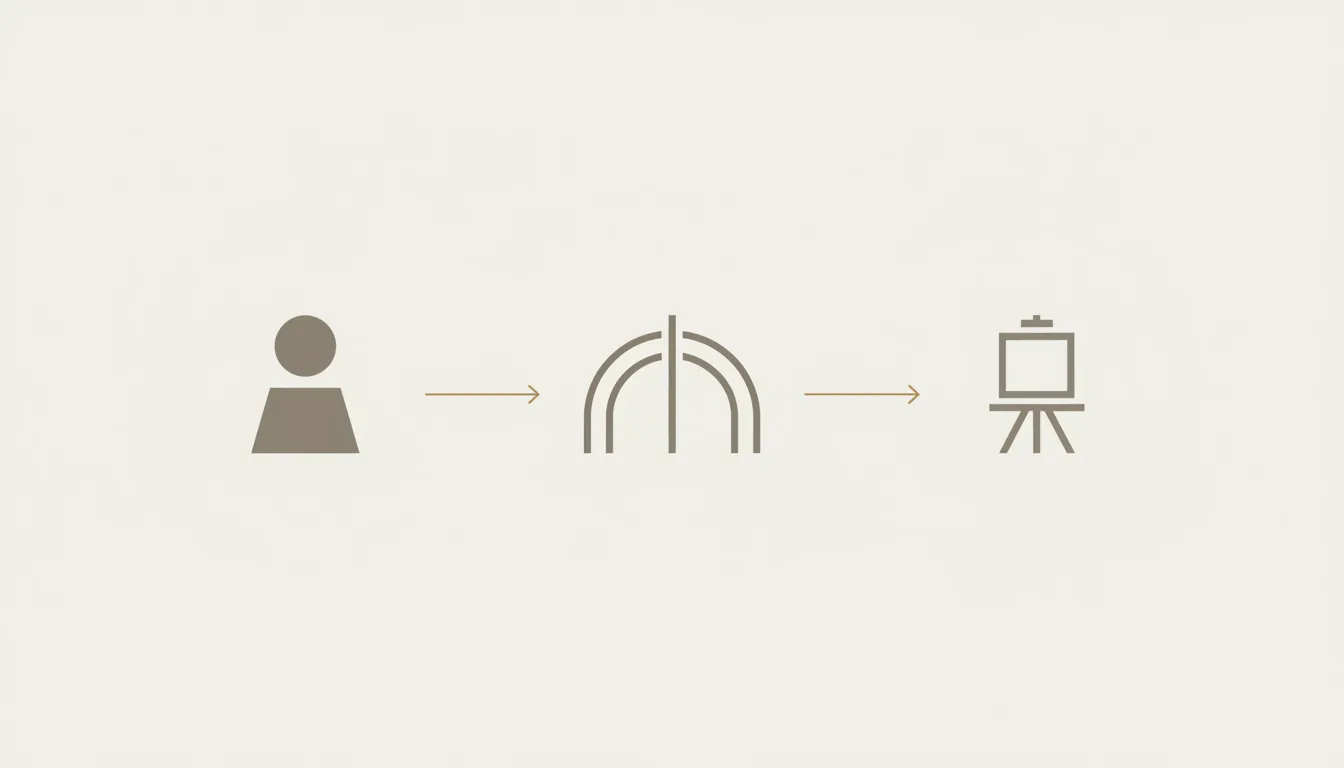
What services does an art advisor provide?
An art advisor works on behalf of a buyer, not a seller. The core of the job is research and access: understanding what a client wants to build — a single acquisition, a themed collection, a corporate or hospitality program — and then sourcing works that fit budget, taste, and intent, whether from galleries, auction houses, art fairs, or directly from artists' studios.
Beyond sourcing, an advisor typically handles the parts of a purchase a buyer finds hardest to judge alone: checking condition and provenance, comparing a price against similar sales, negotiating on the buyer's behalf, and coordinating logistics such as shipping, insurance, framing, and installation. For clients building a collection over years rather than making a single purchase, the relationship often becomes ongoing — periodic reviews, rotation advice, and guidance when a work needs conservation or is being considered for resale.
How art advisors are typically paid
There is no single standard fee model for art advisory, and a serious advisor discloses their structure before any work begins, not after. The models in common use are an hourly rate for time spent researching and advising; a monthly or annual retainer for ongoing access; a flat project fee for a defined task, such as sourcing one specific work; and a commission calculated as a percentage of the purchase price. Advisors sometimes combine two of these — a retainer for access plus a smaller commission on completed purchases, for instance.
A commission model is worth understanding carefully as a buyer, because the advisor's fee rises with the price paid — a structural reason to ask, plainly, how a given recommendation is being compensated before acting on it. None of this is a reason to avoid advisors; it is simply a fee arrangement to have in writing, the same way you would with any paid professional.
Advisor, gallerist, or artist — who represents whom
The three roles are easy to blur and worth separating. An art advisor represents the buyer and typically holds no inventory of their own — their value is independence, since they are not selling from a fixed roster. A gallerist represents a roster of artists and sells from that gallery's own program and space; the gallery's interest, reasonably, includes its represented artists' careers alongside the individual sale. An artist selling directly represents only themselves — no roster, no program to manage, no commission split with an intermediary, just the maker and the work.
When an advisor helps, and when it isn't necessary
An advisor tends to earn their fee when the task is genuinely complex: building a collection across many artists and price points, buying at auction where timing and bidding strategy matter, managing a corporate or institutional program, or simply not having the time to do the research personally. In those cases, market knowledge and negotiation experience are worth paying for.
None of that applies automatically to a single purchase from an artist whose work you already know you want. A buyer who has seen a specific piece, understands the price, and wants direct answers about materials, condition, and documentation is doing, in miniature, the same due diligence an advisor would do on their behalf — just first-hand. Buying directly from the artist is not a workaround around advisory services; it is the other ordinary path into owning original art, alongside buying through a gallery or with an advisor's help.
From the studio
From the studio
Every piece at Perfeito Studio sells directly — I answer the WhatsApp messages myself, with no advisor or gallery relaying the conversation. What that removes is a layer of fee and a layer of paraphrase: the person asking about a piece is talking to the person who made it. What it does not remove is the documentation a careful buyer should expect on any path. Every acquisition here leaves with a signed Certificate of Authenticity, its own Archive ID, and a signed acquisition agreement — the same category of paperwork an advisor would insist on before recommending a purchase. Going direct changes who you're talking to and what you pay for the conversation; it does not change what you're entitled to have in writing.
Frequently asked
What services does an art advisor typically provide?
An art advisor sources works that fit a client's budget and taste, drawing from galleries, auctions, fairs, and artists directly. Beyond sourcing, the role usually covers due diligence a buyer might not do alone — checking condition and provenance, comparing a price against similar sales, and negotiating on the client's behalf — plus coordinating logistics like shipping, insurance, and framing. For collectors building a body of work over time, the relationship often continues with periodic reviews and guidance on the collection as a whole.
Is it worth hiring an art advisor for a first purchase?
It depends on the purchase, not on being a first-time buyer as such. A single, straightforward acquisition — a piece you have seen, from an artist or gallery willing to answer your questions directly — usually does not need an advisor. An advisor earns their fee when the task is complex: comparing many artists, buying at auction, or building a collection with a defined direction over time. There is no universal answer; it is worth weighing against what a specific purchase actually requires.
How are art advisors usually paid?
There is no single standard. Common models include an hourly rate, a monthly or annual retainer, a flat fee for a defined project, and a commission calculated as a percentage of the purchase price — sometimes combined. A serious advisor discloses which model applies, and any minimums, before starting work. Because a commission-based fee rises with the price paid, it is reasonable to ask directly how a specific recommendation is being compensated.
Can you buy directly from an artist without an advisor?
Yes — buying directly from an artist is a legitimate, established way to acquire original work, alongside buying through a gallery or with an advisor's help. It removes an intermediary's fee and puts the buyer in direct contact with the maker. A serious direct sale should still include the same documentation an advisor would expect: clear answers about the piece, and written paperwork such as a certificate of authenticity and a signed acquisition agreement.
What's the difference between an art advisor and a gallerist?
An art advisor represents the buyer, typically holds no inventory, and can source work from galleries, auctions, or artists directly — their value is independence from any one seller. A gallerist represents a specific roster of artists and sells from that gallery's own program and space, which means their interests include those artists' careers, not only the individual transaction. Neither role is better by default; they serve different parts of the buying process.
Sources
- Art Services Network — 2026-08-24
Buying direct? Skip the advisor fee, not the paperwork.
Ask Alyne directly about a specific piece — availability, materials, condition, and what documentation comes with it. No advisor or gallery in between.
Talk to the studio on WhatsApp
Published on